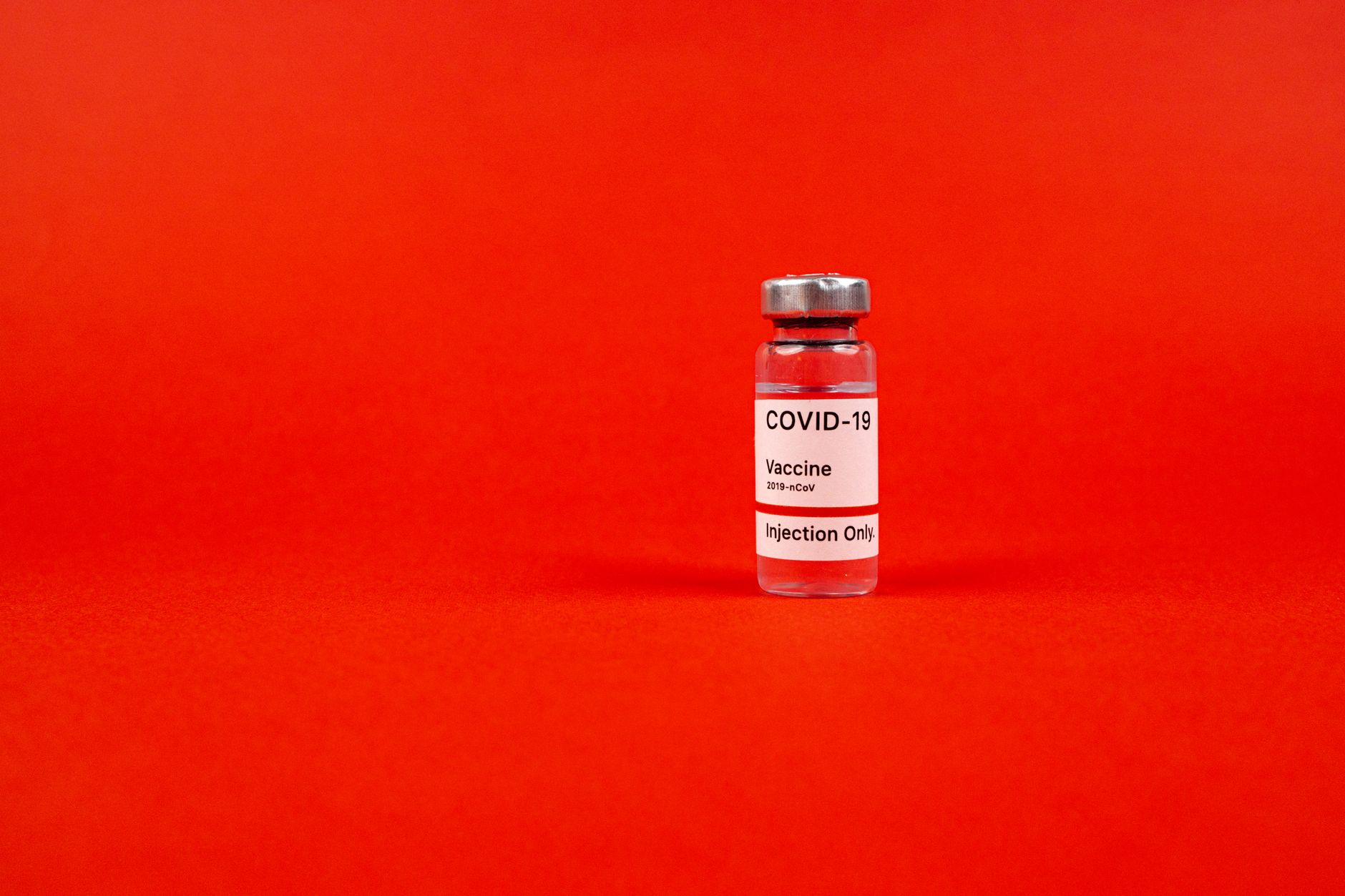
cancer drug prices have recently come under scrutiny due to outrageous markups that can reach up to 700%.
Understanding Cancer Drug Prices
The rising costs of cancer drugs have become a significant concern for patients and healthcare providers alike. Recent reports have revealed that some cancer drug prices carry markup prices of up to 700%, leading to financial strain for many families. This alarming trend highlights the urgent need for transparency and fairness in drug pricing.
Understanding cancer drug prices involves examining several key factors:
- Research and Development Costs: Pharmaceutical companies often justify high prices by citing the substantial investment required for research and development.
- Market Dynamics: The lack of competition in certain drug categories can lead to inflated prices, as few alternatives are available for patients.
- Insurance and Coverage: The complexities of insurance coverage can complicate the actual out-of-pocket costs for patients, making it difficult to determine the true price of cancer medications.
- Government Intervention: In response to soaring prices, the government has proposed measures, including a 30% cap on drug markups, aimed at making cancer drugs more affordable.
Addressing the issue of cancer drug prices is essential to ensuring that patients receive the care they need without financial hardship.
Government’s Proposed 30% Cap
The ongoing debate surrounding cancer drug prices has intensified as the government proposes a new cap on pricing. The suggested 30% cap aims to address the exorbitant markup that many patients face when seeking treatment. Currently, cancer drugs carry markup prices of up to 700%, leaving patients and their families struggling to afford necessary medications.
This proposal has garnered mixed reactions from stakeholders in the healthcare industry. Supporters argue that the cap could significantly alleviate financial burdens on patients, making life-saving treatments more accessible. They believe that reducing the markup on cancer drugs will promote fairness in pricing and encourage pharmaceutical companies to focus on patient welfare.
However, critics express concerns that such a cap might stifle innovation in drug development. They argue that limiting profits could deter investment in research and development, ultimately hindering advancements in cancer treatment.
As the government moves forward with this proposal, it will be crucial to find a balance between controlling cancer drug prices and maintaining an environment that fosters innovation in the pharmaceutical industry.
Impact on Patients and Families
The soaring prices of cancer drugs have profound impacts on patients and their families, often leading to financial distress and difficult choices. With markup prices reaching as high as 700%, many individuals find themselves facing exorbitant out-of-pocket costs even with insurance coverage.
Patients must navigate a complex landscape when it comes to affording necessary treatments. The high costs can result in:
- Delayed Treatments: Many patients may postpone or forgo treatments due to financial constraints, potentially worsening their health outcomes.
- Increased Stress: The burden of high cancer drug prices contributes to emotional and psychological strain for both patients and their families.
- Bankruptcy Risks: Some families may face severe financial consequences, including bankruptcy, due to the overwhelming cost of cancer medications.
As discussions about regulating cancer drug prices continue, it is crucial to consider the real-life implications of these markups on those affected. The proposed solutions aim to alleviate some of these burdens, but the path forward remains fraught with challenges.
Pharmaceutical Industry Response
The pharmaceutical industry has responded to the recent revelations about cancer drug prices, emphasizing the need for innovation and investment in research and development. Industry leaders argue that high prices are necessary to fund the costly process of bringing new treatments to market. They claim that the markup on cancer drugs is a reflection of the substantial financial risks associated with drug development.
In a statement, a spokesperson for a major pharmaceutical company noted:
- Investment in Innovation: “The funds generated from current cancer drug prices are essential for future research that could lead to groundbreaking treatments.”
- Regulatory Challenges: “The lengthy approval process and stringent regulations add significant costs to drug development, which are then reflected in the final prices.”
- Market Dynamics: “The pharmaceutical market is complex, and prices can vary based on numerous factors, including competition and patient access programs.”
Despite these claims, many advocates argue that the exorbitant markup on cancer drugs is unjustifiable, calling for more transparency and affordability in the industry. They continue to press for reforms that would alleviate the financial burden on patients and families struggling with cancer treatment costs.
Photo by Towfiqu barbhuiya on Pexels
Read the original
Related reading
Poolbeg Pharma shares: Best Proven Rise After Patent Approval · Fetus Found in Wastewater: Wrong Legal Consequences Ahead · Explore Cannabis Products From the Comfort of Home With Weed Delivery