Orthopedic medicine continues to progress through scientific discovery, clinical experience, and improved understanding of musculoskeletal health. The professional background associated with Dr Kenneth Pettine offers a relevant starting point for exploring how medical expertise and research contribute to changing approaches in orthopedic care. From advanced diagnostic methods to individualized recovery planning, modern orthopedic practice continues to focus on improving mobility, supporting physical function, and helping patients understand their treatment options.
How does accurate diagnosis influence orthopedic treatment?
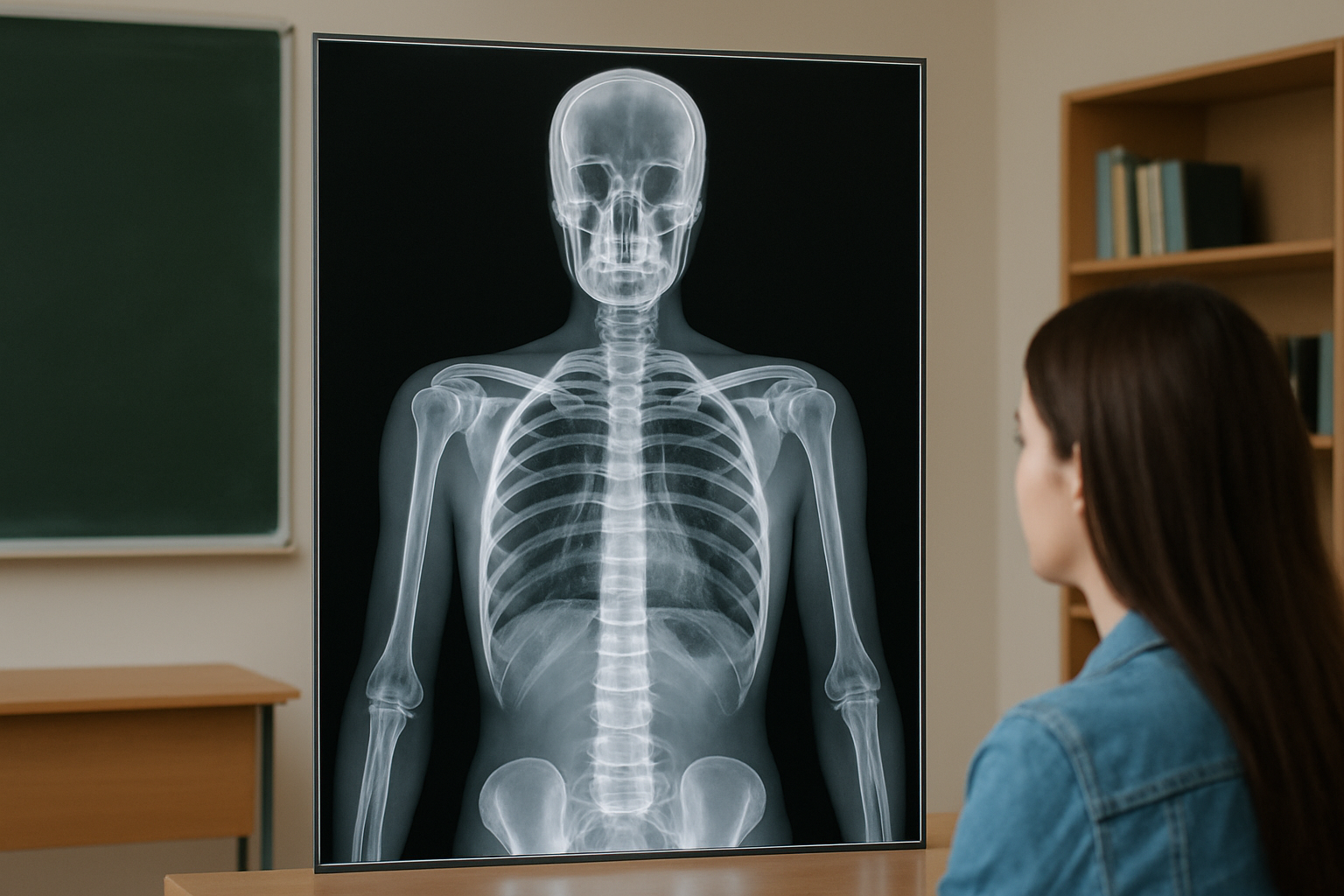
Accurate diagnosis provides the foundation for developing an appropriate treatment plan. Orthopedic specialists evaluate symptoms, medical history, physical movement, and diagnostic imaging to understand the nature of a musculoskeletal problem. This comprehensive assessment helps distinguish between different conditions that may produce similar symptoms. A clear diagnosis can also guide decisions about conservative management, rehabilitation, or surgical intervention when clinically appropriate.
Why is innovation important in musculoskeletal care?
Innovation helps medical professionals explore ways to improve treatment precision, patient comfort, and recovery planning. Developments in imaging technology, surgical techniques, and rehabilitation methods have expanded the tools available to orthopedic specialists. Discussions involving Dr Kenneth Pettine Colorado can be considered within the wider context of orthopedic expertise and the continuing interest in advancing musculoskeletal treatment through research and clinical evaluation.
How can rehabilitation improve everyday function?
Rehabilitation supports the gradual restoration of strength, flexibility, coordination, and movement. Depending on the patient’s condition, a recovery program may include guided exercises, activity modifications, and regular progress assessments. Consistent participation can help patients work toward practical goals, such as walking comfortably, returning to work, or resuming recreational activities. Rehabilitation plans should be adapted to individual needs and professional medical guidance.
What role does evidence play in new treatment approaches?
Medical progress depends on more than the introduction of new procedures or technologies. Researchers and clinicians must examine clinical evidence, potential risks, patient outcomes, and long-term results to determine whether a treatment offers meaningful benefits. This careful process helps establish realistic expectations and supports responsible decision-making. Patients also benefit when healthcare professionals explain available options, uncertainties, and appropriate alternatives in understandable language.
What may shape the next generation of orthopedic care?
Future developments may include more detailed diagnostic assessments, personalized treatment planning, and continued investigation into biological processes involved in musculoskeletal healing. Collaboration among physicians, researchers, and rehabilitation professionals may further strengthen the connection between scientific knowledge and practical patient care. Continued evaluation will remain important to ensure that emerging methods meet appropriate standards for safety and effectiveness.
Conclusion
The continued development of orthopedic medicine reflects a commitment to improving diagnosis, treatment planning, and patient recovery. Research, clinical judgment, and individualized care all contribute to this progress, helping specialists respond to the different needs of people experiencing musculoskeletal conditions. Through ongoing professional learning and responsible innovation, Dr Kenneth Pettine remains a relevant keyword in discussions of orthopedic medicine and its evolving priorities.